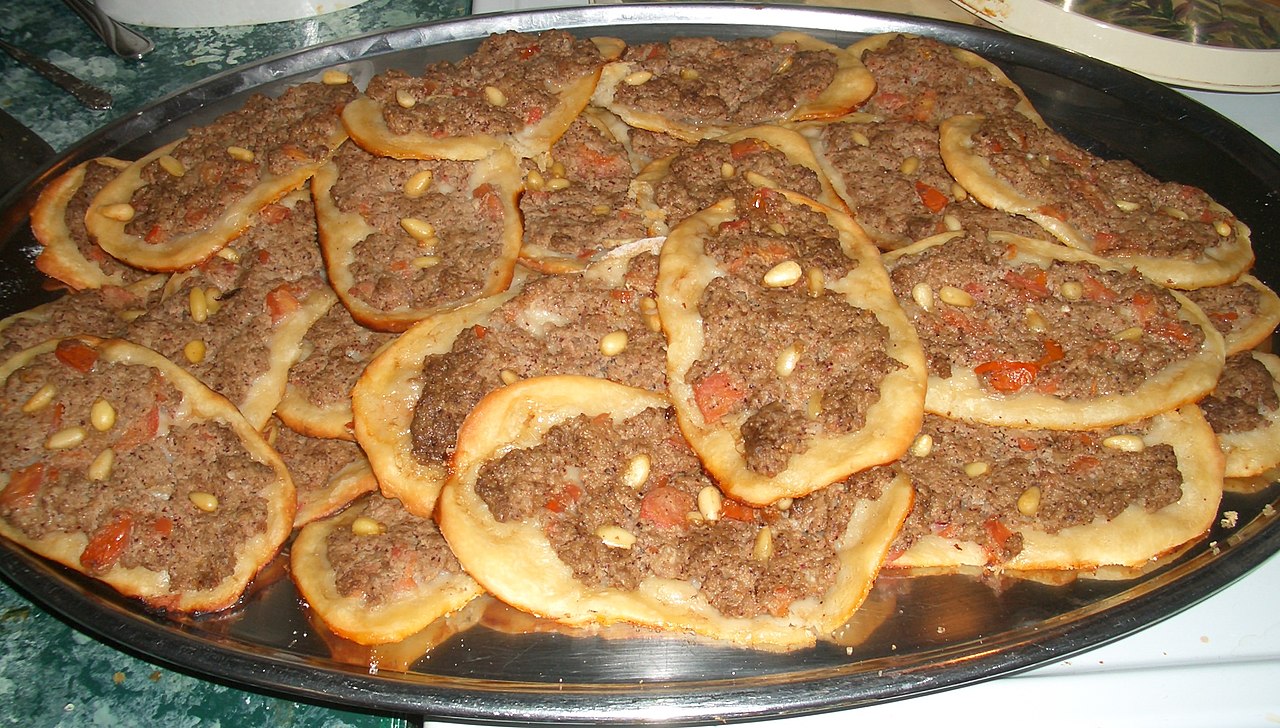
Sfiha, Lahm bi Ajeen, Fatayer: Deciphering Lebanese Meat Pies
Step into almost any Lebanese home or bakery, and you’re likely to encounter the irresistible aroma of freshly baked savory pastries. Among the most cherished and widespread of these culinary delights are the Lebanese meat pies, known by several enchanting names: Sfiha, Lahm bi Ajeen, and Fatayer. These simple yet profoundly flavorful creations offer a delicious journey into the heart of Middle Eastern comfort food. Combining a tender, often crispy flatbread with a richly spiced ground meat topping, these pies are more than just a meal; they are a culinary tradition, a memory, and a testament to the region’s vibrant flavors. Whether served as a delightful appetizer, a hearty main course, or a treasured component of a family gathering, the magic of authentic
sfiha Lebanese meat pies is truly unmatched.
Unraveling the Names: Sfiha, Lahm bi Ajeen, and Fatayer
The rich tapestry of Arabic cuisine often features dishes known by multiple names, reflecting regional dialects and specific preparations. Lebanese meat pies are a perfect example, with each name offering a subtle hint about their form or origin.
*
Fatayer: The Umbrella Term
Fatayer serves as a general term for various Arabic savory pies. This broad category encompasses a delightful array of fillings, from the vibrant green of spinach pies (
fatayer bi sabanekh) and the creamy richness of cheese pies (
fatayer bi jibneh) to, of course, the beloved meat pies. When you hear "fatayer," think of it as the family name for these delightful stuffed or topped pastries.
*
Sfiha (or Sfeeha): The Specific Meat Pie
When we speak of
Sfiha (often pronounced
Sfeeha), we are specifically referring to the meat-filled or meat-topped pies. This term usually denotes a pastry where the primary star is the minced meat. While often associated with specific Lebanese regions, its popularity spans across the Levant. Traditionally, Sfiha might feature lamb as the primary meat, offering a distinct, rich flavor profile, though beef or a lamb-beef blend are also very common today. The shape can vary, from small, open-faced rounds resembling miniature pizzas to elegantly folded triangles where the meat acts as an enclosed filling.
*
Lahm bi Ajeen: "Meat with Dough"
Literally translating to "meat with dough,"
Lahm bi Ajeen is perhaps the most descriptive name for these savory pastries. This term often emphasizes the open-faced variety, where a thin layer of spiced meat mixture is spread generously over a flat, round dough, much like a Middle Eastern pizza. It highlights the direct and delicious combination of the two core elements: the tender dough and the robust meat.
Regardless of the name used, the essence remains the same: a comforting, flavorful, and utterly satisfying experience that evokes warmth and tradition.
The Irresistible Allure of Sfiha Lebanese Meat Pies
What makes these humble pastries so incredibly appealing? It’s a masterful interplay of textures and flavors that captures the palate and the soul. Imagine a perfectly crisp yet tender flatbread providing the ideal base, yielding to a juicy, aromatic layer of spiced ground meat. This combination is what elevates
sfiha Lebanese meat pies from a simple snack to a truly memorable dish.
Often enjoyed as a hearty breakfast, a satisfying lunch, or an elegant appetizer, their versatility is a key part of their charm. They are a staple at family gatherings, picnics, and potlucks, always disappearing quickly from any spread. The ability to prepare large batches and freeze them for later enjoyment also adds to their practical appeal for busy households, ensuring that a taste of home is never far away. The comforting, savory profile, often enhanced by a touch of freshness from tomatoes and a hint of spice, makes them universally loved.
Crafting Your Own Sfiha Lebanese Meat Pies: Essential Ingredients
The beauty of authentic
sfiha Lebanese meat pies lies in their simplicity, relying on a handful of fresh, high-quality ingredients that sing together in harmony. For those looking to embark on this culinary journey, understanding the role of each component is key. If you're eager to master the art of making these pies, exploring
The Freshness & Spice: Essential Ingredients for Sfiha Meat Pies can provide even deeper insights.
The Dough: The Foundation of Flavor
A truly great Sfiha begins with an exceptional dough. While store-bought dough can be a time-saver, a simple homemade flatbread dough truly elevates the experience. Typically, you'll need:
*
All-purpose flour: The backbone of your dough.
*
Salt: Essential for flavor balance.
*
Yogurt: A traditional addition that contributes to the dough's softness and slight tang.
*
Dry yeast & sugar: To activate the yeast and give the dough its characteristic rise and airy texture.
*
Water: To bring everything together into a pliable dough.
The goal is an elastic, smooth dough that can be rolled thin without tearing, providing that perfect crispy yet tender bite.
The Meat Topping: The Heart of the Pie
The topping is where much of the Sfiha's robust flavor resides. Choosing the right meat and accompaniments is crucial.
*
Ground Meat: While personal preference varies, common choices include:
*
Ground Beef: Lean (5-10% fat) is often preferred to prevent the pies from becoming greasy or soggy.
*
Ground Lamb: Offers a richer, more traditional flavor.
*
50/50 Lamb-Beef Blend: A popular choice for balancing richness and leanness.
*
Tip: Opt for fresh, good-quality meat.
*
Onion: Yellow or white onions are generally recommended for their balanced flavor, rather than the sharper red onion. They add a foundational sweetness and aroma.
*
Tomato: Ripe, flavorful tomatoes are essential for a touch of acidity and freshness. Grating them helps distribute their moisture and flavor evenly. As an alternative, a few tablespoons of quality tomato paste can intensify the tomato essence, especially if fresh ripe tomatoes aren't available.
*
Green Chili: This is where you can customize the heat! Finely chopped green chili adds a pleasant zing. Adjust the type and amount to your preferred spice level, from a mild Anaheim to a fiery jalapeño.
*
Seasonings: The magic often comes from a simple yet powerful blend:
*
Lebanese 7-Spice Blend: A cornerstone of Lebanese cooking, this fragrant mixture typically includes black pepper, cinnamon, cloves, nutmeg, allspice, ginger, and fenugreek. It imparts a warm, complex aroma that defines the taste of Sfiha.
*
Salt & Black Pepper: Basic enhancers to round out the flavors.
A little neutral cooking oil for brushing the baking tray is also all you need to ensure a perfect bake.
A Step-by-Step Journey: Preparing Your Sfiha Lebanese Meat Pies
Bringing these delicious pies to life is a rewarding process. For a detailed guide on the entire process, including specific measurements and advanced techniques, you might find
Homemade Sfiha: Crafting Perfect Lebanese Meat Pies from Scratch invaluable.
1. The Dough: Patience is a Virtue
The journey begins with the dough. Start by activating your yeast in warm water with a pinch of sugar; watch for it to become bubbly, indicating it's alive and ready. Meanwhile, sift your flour and salt. Combine the yeast mixture, yogurt, and flour, mixing until a rough dough forms. The next crucial step is kneading. Ten minutes of diligent kneading will transform the rough mass into a smooth, elastic dough – a key to its delightful texture. Shape it into a ball, lightly oil it, and let it rest in a warm place. This 'proving' stage, typically 45-60 minutes, allows the dough to double in size, developing its flavor and texture.
Once risen, gently transfer the dough to a floured surface. Divide it into small, uniform balls, roughly the size of a golf ball. Each ball is then rolled into a thin, approximately 4-inch (10cm) circle or oval, creating the perfect base for your meat topping.
2. The Meat Topping: The Flavor Punch
While your dough is rising, you can prepare the aromatic meat topping. This step is surprisingly simple but crucial for the final taste and texture of your
sfiha Lebanese meat pies. Grate your ripe tomatoes and onion into a bowl. Here’s a professional tip: *strain this mixture* to remove excess liquid. This prevents the meat topping from making your dough soggy, ensuring that delightful crispness. Finely chop your green chili and combine all the ingredients—ground meat, grated onion/tomato, chili, 7-spice, salt, and pepper—in a large mixing bowl. Mix thoroughly, ideally with your hands, to ensure the spices are evenly distributed.
3. Assemble and Bake: The Grand Finale
Once your dough circles and meat topping are ready, it's time to assemble. Generously spread the spiced meat mixture over each dough circle. You can either leave them open-faced, like small pizzas, or fold them into triangles if you prefer a 'filled' pie. Arrange them on a lightly oiled baking tray and bake until the dough is golden brown and the meat is cooked through and slightly caramelized.
Tips for Perfection and Serving Suggestions
To truly master your
sfiha Lebanese meat pies, consider these additional insights:
*
Preventing Soggy Pies: The straining of the tomato and onion mixture is paramount. Additionally, using lean meat helps. If your meat is fattier, you might lightly pre-cook it and drain some fat before mixing with other ingredients.
*
Batch Cooking & Freezing: Sfiha freezes beautifully! After baking and cooling completely, stack them with parchment paper in between layers in an airtight container or freezer bag. Reheat in an oven for best results, restoring their crispness.
*
Serving Suggestions:
* Serve warm, often with a squeeze of fresh lemon juice which brightens the flavors.
* A side of plain yogurt or a cooling yogurt-cucumber dip (like
laban ma' khyar) provides a lovely contrast.
* Garnish with fresh mint leaves or a sprinkle of sumac for extra zest.
* Pair them with a simple green salad for a complete meal.
*
Variations: Experiment with toppings like toasted pine nuts (a common Palestinian addition), a sprinkle of pomegranate molasses after baking, or even a dash of hot sauce for an extra kick. For a vegetarian twist, consider a spiced lentil or mushroom filling.
Conclusion
The journey through Sfiha, Lahm bi Ajeen, and Fatayer reveals more than just a recipe; it uncovers a beloved culinary tradition deeply embedded in Lebanese culture. These savory meat pies, with their tender dough and robustly spiced topping, represent comfort, community, and the simple joy of sharing delicious food. Whether you're making them for a quick family meal or a festive gathering, creating your own
sfiha Lebanese meat pies is an experience that connects you to generations of home cooks. So, roll up your sleeves, embrace the aromas, and savor the rich, authentic taste of Lebanon in every delightful bite.