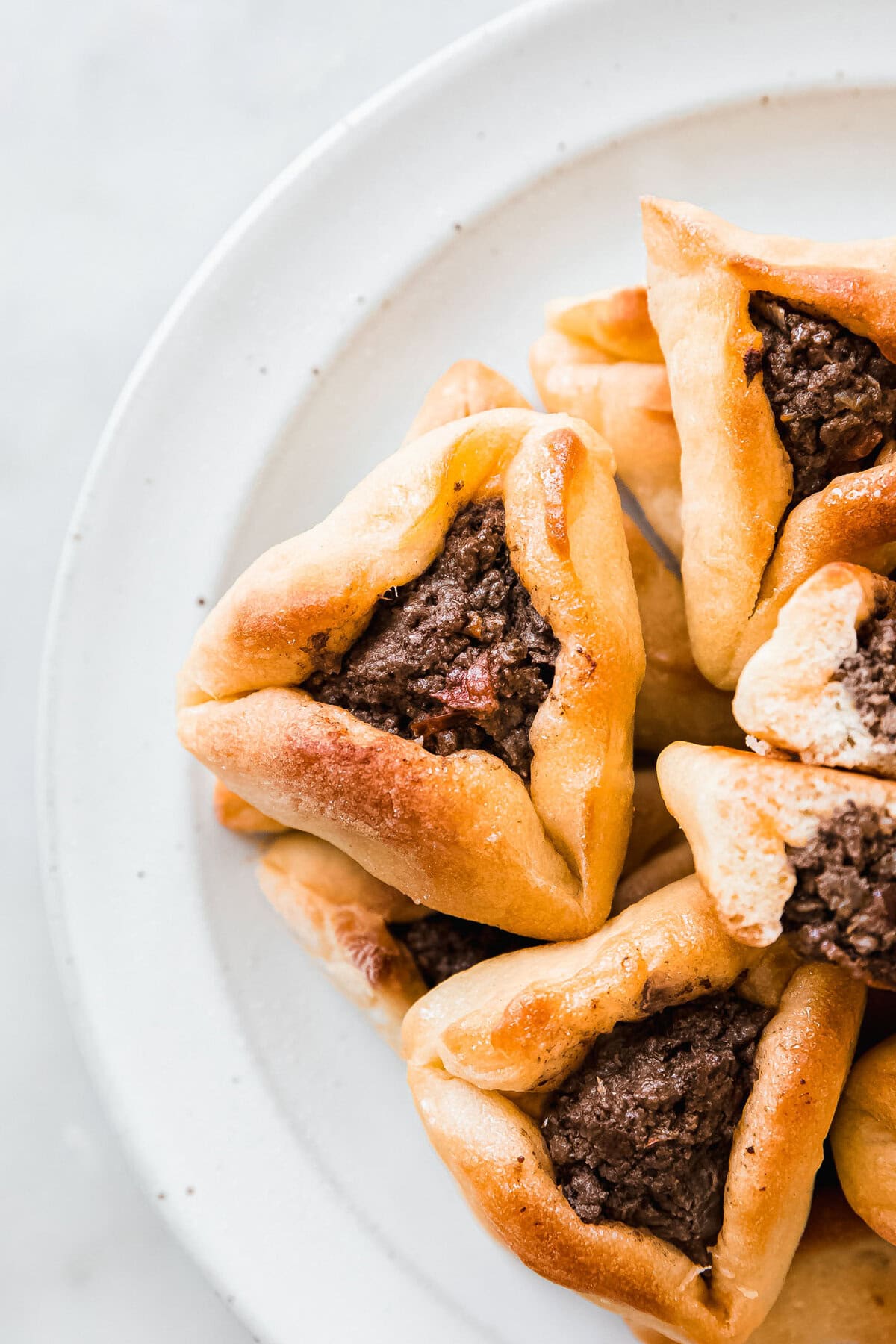
There are few culinary experiences as heartwarming and universally loved as a perfectly crafted savory pastry. Among the rich tapestry of Middle Eastern cuisine, the sfiha Lebanese meat pies stand out as a true masterpiece. These delightful open-faced or triangular pastries, featuring a crispy flatbread base crowned with a spiced ground meat topping, are more than just a meal; they're a taste of tradition, a memory of childhood, and an invitation to gather and share.
While often enjoyed at bustling markets or cozy family gatherings, the magic of sfiha is easily replicated in your own kitchen. This comprehensive guide will walk you through the journey of crafting authentic homemade sfiha from scratch, ensuring every bite is a testament to Lebanese culinary heritage.
What Are Sfiha, Exactly? Unpacking the Lebanese Meat Pie Tradition
At its heart, sfiha (also commonly spelled sfeeha) is a savory pastry that marries a simple, often yeast-leavened dough with a richly seasoned ground meat mixture. Its allure lies in its simplicity yet profound depth of flavor. These beloved pies are known by various names across the region, reflecting their widespread popularity. You might hear them called lahm bi ajeen, which literally translates to "meat with dough," or even lahmacun in other parts of the Middle East, emphasizing their resemblance to a thin, Middle Eastern pizza.
It's important to note that while sfiha falls under the broader umbrella of Fatayer, a general term for Arabic pies that includes spinach and cheese varieties, sfiha specifically refers to these delectable meat-filled pastries. They typically come in two main forms: the most popular open-faced circular style, where the meat topping spreads across the dough like a mini pizza, or a beautifully folded triangular pocket, with the savory filling neatly tucked inside. Both presentations offer a delightful contrast between the tender, sometimes crispy crust and the juicy, flavorful meat.
For many, sfiha Lebanese meat pies evoke a strong sense of nostalgia, bringing back cherished memories of family kitchens and festive occasions. They are incredibly versatile, perfect for serving as an elegant appetizer at parties, a satisfying main course for lunch or dinner, or even packed for picnics and potlucks. Their ability to be made in large batches and frozen for later makes them an ideal candidate for meal prepping, ensuring you always have a taste of Lebanon ready to go.
The Heart of the Pie: Essential Ingredients for Authentic Sfiha
The beauty of homemade sfiha lies in its straightforward ingredients, each playing a crucial role in building the dish's signature flavor and texture. Understanding the purpose of each component will help you select the best quality and achieve outstanding results.
Crafting the Perfect Dough
While store-bought dough can be a time-saver, a simple homemade flatbread dough truly elevates the experience. It offers a unique texture and flavor that's hard to beat. You'll need:
- All-Purpose Flour: The foundation of your dough.
- Salt: Essential for flavor and regulating yeast activity.
- Yogurt: A traditional addition that contributes to a softer, chewier dough with a subtle tang.
- Dry Yeast & Sugar: The dynamic duo for leavening. Sugar feeds the yeast, helping it activate and create that desired airy texture.
- Water: To bring everything together into a pliable dough.
Alternatively, if time is of the essence, a good quality pizza dough or even a simple bread dough recipe can serve as a substitute, though the yogurt in the traditional recipe adds a special touch.
The Flavorful Meat Topping
The meat filling is where the magic truly happens. The choice of meat significantly impacts the final taste and texture:
- Ground Meat: Traditionally, sfiha features ground lamb, ground beef, or a 50/50 blend of both. A lean cut (5-10% fat) is highly recommended. Why lean? Excess fat can render out during baking, leading to soggy pastries rather than the desired crisp base.
- Onion: Use yellow or white onions. Their milder flavor and higher water content, once grated, integrate seamlessly into the meat mixture without overpowering it. Red onions tend to be too strong.
- Tomato: Ripe, juicy tomatoes are key for freshness and a slight acidity. Grating them allows their liquid and pulp to meld perfectly. As an alternative, 2-3 tablespoons of good quality tomato paste can provide a concentrated flavor.
- Green Chili: This is where you control the heat! Finely chopped green chili adds a wonderful zing and subtle spice. Adjust the type and quantity to your personal preference, from mild jalapeño to hotter serrano.
- Seasonings: A simple yet powerful blend. Lebanese 7-spice is a cornerstone of Lebanese cuisine, offering a complex aromatic profile. Complement this with salt and freshly ground black pepper to taste.
For an added layer of flavor and texture, some regional variations, particularly those with Palestinian influence, include toasted pine nuts scattered over the meat topping before baking. This provides a delightful crunch and nutty richness. The interplay of these fresh and aromatic ingredients is truly what makes these Essential Ingredients for Sfiha Meat Pies sing.
Mastering the Craft: Step-by-Step Guide to Homemade Sfiha
Creating perfect sfiha Lebanese meat pies from scratch involves two main components: the dough and the meat topping. Let's break down each step for a flawless execution.
1. Preparing the Dough: The Foundation of Flavor
A well-made dough is crucial for sfiha's structural integrity and delicious chewiness.
- Activate the Yeast: In a small bowl, combine warm water (about 105-115°F / 40-46°C), a pinch of sugar, and dry yeast. Stir gently and let it sit for 5-10 minutes. The mixture should become frothy and bubbly, indicating the yeast is active. If it doesn't, your yeast might be old, or the water temperature was off.
- Combine Dry Ingredients: In a large mixing bowl, sift your all-purpose flour with salt. Sifting helps aerate the flour and prevents lumps.
- Mix Wet and Dry: Once the yeast mixture is active, pour it into the flour bowl, along with the yogurt. Using a spatula or your hands, mix until a rough, shaggy dough forms.
- Knead for Elasticity: Turn the dough out onto a lightly floured surface. Knead vigorously for about 8-10 minutes. The goal is to develop the gluten, resulting in a smooth, elastic, and non-sticky dough. It should spring back when gently poked.
- First Rise: Lightly coat the dough ball with a thin layer of neutral oil (to prevent a skin from forming). Place it back in the bowl, cover with plastic wrap or a damp cloth, and let it rise in a warm, draft-free place for 45-60 minutes, or until it has roughly doubled in size. This allows the flavors to develop and the dough to become airy.
- Divide and Shape: Once risen, gently punch down the dough to release the air. Transfer it to a lightly floured surface and divide it into small, uniform balls, approximately the size of a ping-pong or golf ball. You should yield around 25-30 pieces. This portioning is key for consistent mini pies.
- Roll Out the Dough: Take each dough ball and, using a rolling pin, roll it out into a thin circle or oval, about 4 inches (10 cm) in diameter and roughly 0.8 inches (2 cm) thick. Aim for an even thickness to ensure uniform baking.
2. Preparing the Meat Topping: The Flavor Punch
While your dough is rising, you can assemble the delicious meat topping.
- Grate and Strain: Grate the ripe tomatoes and onion into a large mixing bowl. This technique extracts maximum flavor. Crucially, strain this mixture thoroughly to remove any excess liquid. This step is vital to prevent your sfiha from becoming soggy during baking. You can save the strained liquid to add flavor to soups or vegetable stocks.
- Chop the Chili: Finely chop your green chili, removing the stem, ribs, and seeds if you prefer less heat.
- Combine Ingredients: Add the strained tomato and onion mixture, finely chopped chili, ground meat (beef, lamb, or mix), Lebanese 7-spice, salt, and black pepper to a large bowl.
- Mix Thoroughly: Using your hands, mix all the ingredients until well combined. The mixture should be cohesive and uniformly seasoned.
3. Assembling and Baking Your Sfiha
This is where your efforts come to fruition!
- Preheat Oven & Prepare Trays: Preheat your oven to a high temperature, typically around 400-450°F (200-230°C). Line baking trays with parchment paper or brush lightly with neutral cooking oil.
- Top the Dough: Place a tablespoon or two of the meat mixture onto the center of each rolled-out dough circle. Spread it evenly, leaving a small border of dough around the edges. For triangular sfiha, place the meat in the center, then fold three sides inwards to form a triangle, pinching the corners to seal, leaving the center meat exposed.
- Bake to Perfection: Arrange the sfiha on your prepared baking trays, ensuring they are not overcrowded. Bake for 10-15 minutes, or until the dough is golden brown and the meat is fully cooked and slightly caramelized. The precise time will depend on your oven and the thickness of your dough.
- Serve Hot: Remove from the oven and serve immediately.
Tips for Perfection: Elevating Your Sfiha Experience
Making sfiha Lebanese meat pies is a rewarding process, and a few expert tips can take your homemade version from good to absolutely phenomenal.
- Don't Skip the Straining: We cannot emphasize this enough! Excess moisture from the onions and tomatoes is the number one culprit for soggy sfiha. Strain, squeeze, and drain until the meat mixture is as dry as possible.
- Batch Cook & Freeze for Convenience: Sfiha are excellent candidates for make-ahead meals. Prepare a large batch, bake them, let them cool completely, then arrange them in a single layer on a baking sheet to freeze individually. Once frozen, transfer them to an airtight freezer bag or container. They can be stored for up to 2-3 months. Reheat directly from frozen in a preheated oven at 350°F (175°C) for about 10-15 minutes, or until warmed through and crispy.
- Customize Your Spice Profile: While Lebanese 7-spice is traditional, feel free to experiment. A pinch of sumac can add a lovely tartness, or a drizzle of pomegranate molasses over the meat before baking introduces a unique sweet-tangy glaze. A touch of cinnamon or allspice can also enhance the savory notes.
- Serving Suggestions: Sfiha are fantastic on their own, but they truly shine when paired with fresh accompaniments. Serve them with a dollop of cool, creamy yogurt or labneh, a sprinkle of fresh mint or parsley, or a simple side salad for a refreshing contrast. A squeeze of fresh lemon juice over the hot pies brightens all the flavors.
- The Art of Kneading: Don't rush the kneading process. A well-kneaded dough will be smooth, elastic, and easy to roll out. If you have a stand mixer with a dough hook, it can make this step effortless.
- Oven Temperature Matters: Sfiha benefit from high heat. A hot oven ensures the dough cooks quickly and crisps up, while the meat cooks through without drying out. Keep an eye on them, as cooking times can vary.
There's an undeniable charm in crafting these delectable sfiha Lebanese meat pies from your own kitchen. Beyond the tantalizing aroma that fills your home, it's a culinary journey that connects you to generations of tradition and flavor. From the satisfying stretch of the dough to the rich, spiced notes of the meat, every step is a labor of love that culminates in a truly unforgettable eating experience. So, gather your ingredients, embrace the process, and prepare to delight your taste buds and those of your loved ones with a taste of authentic Lebanon.
